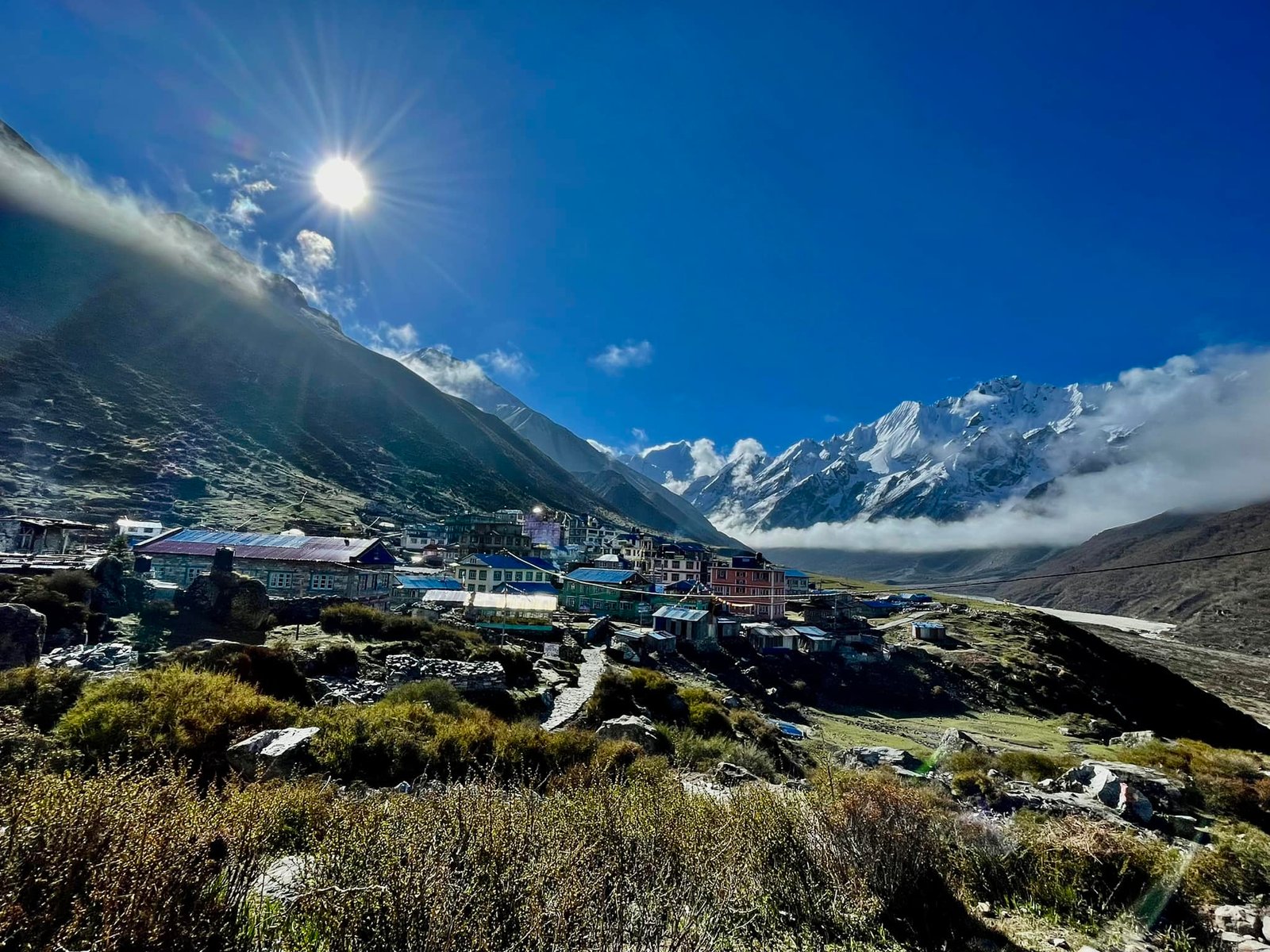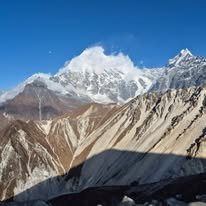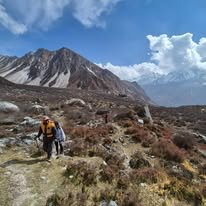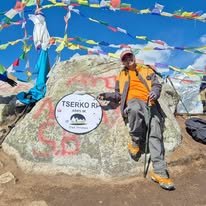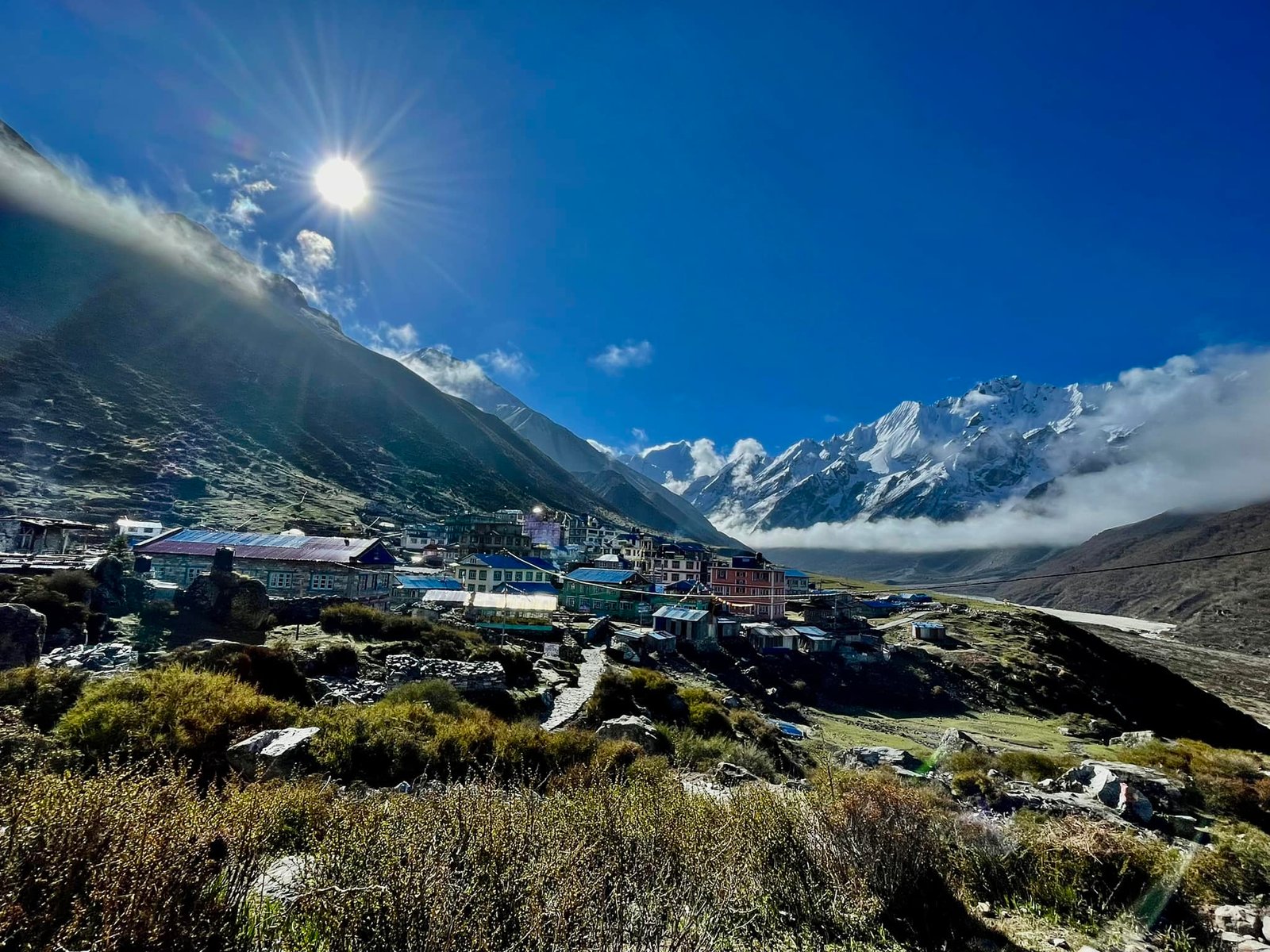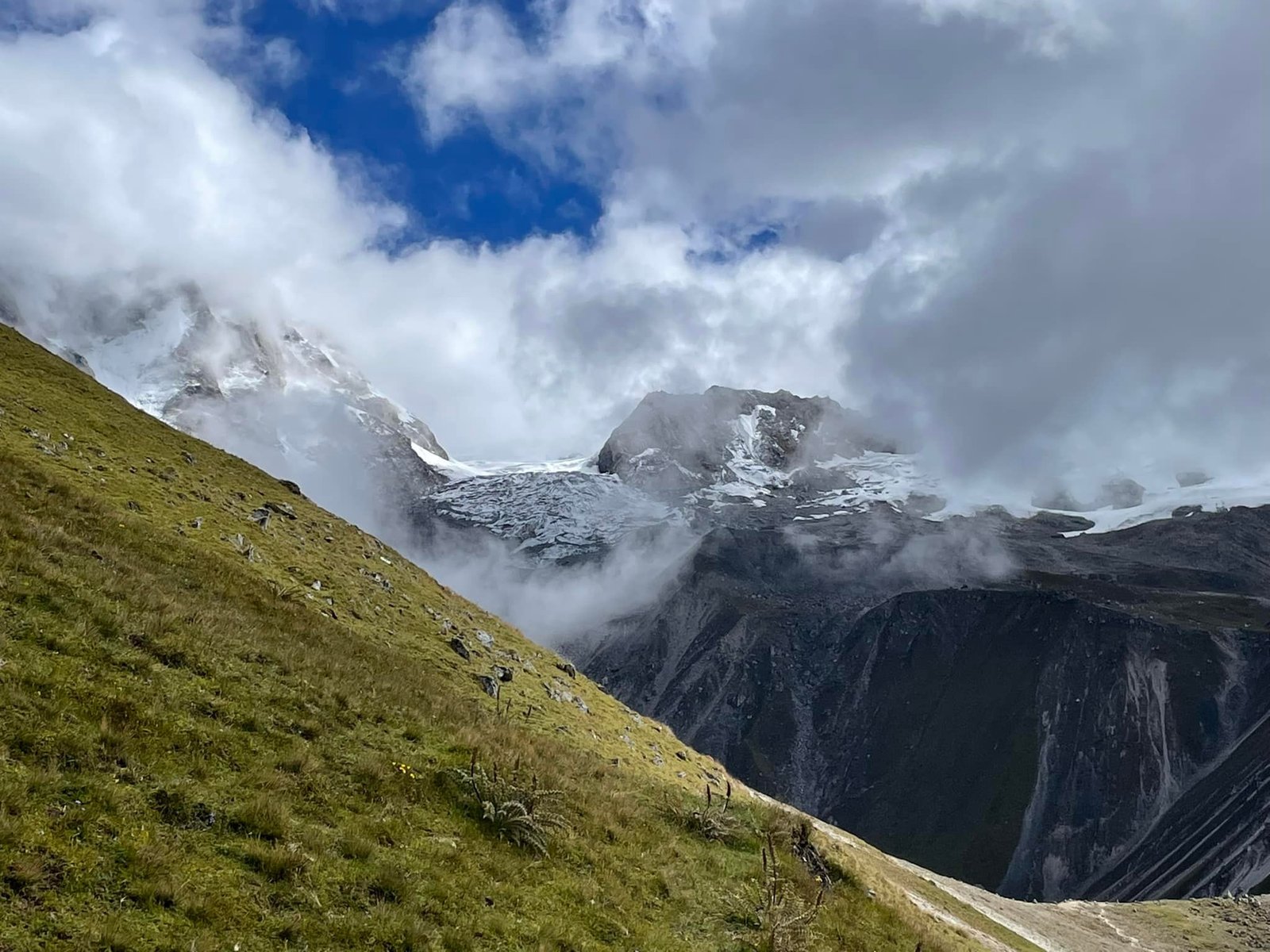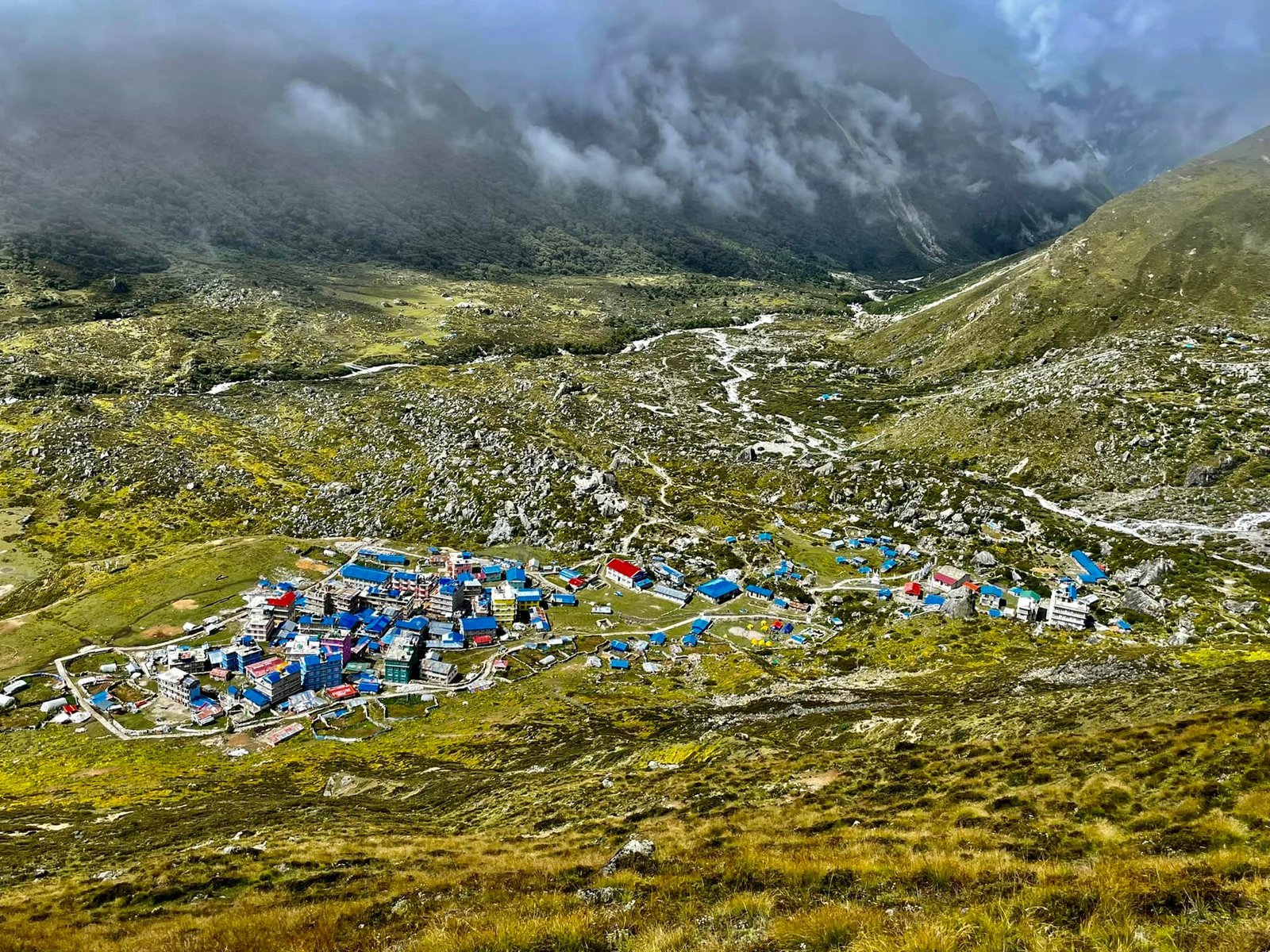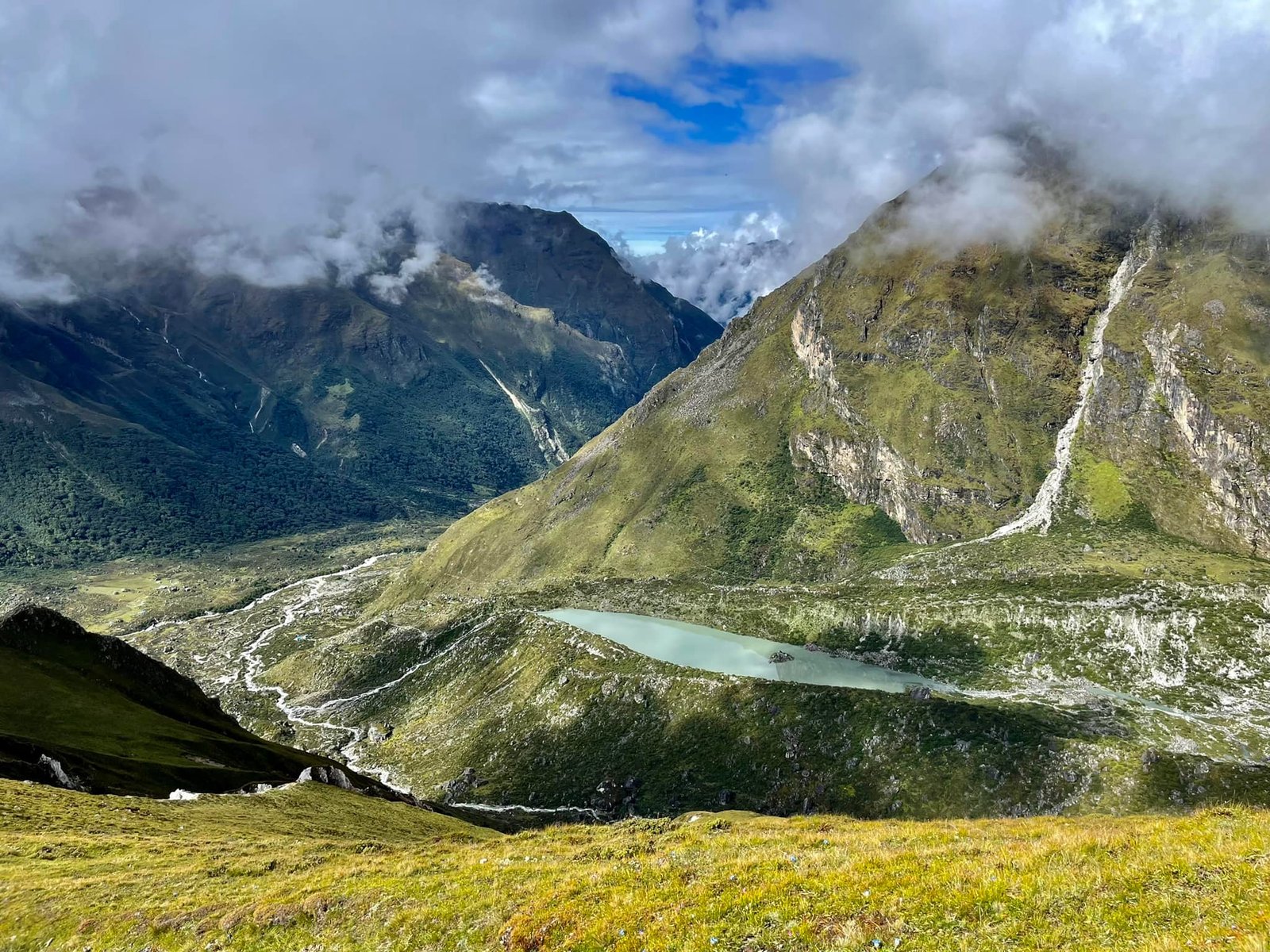
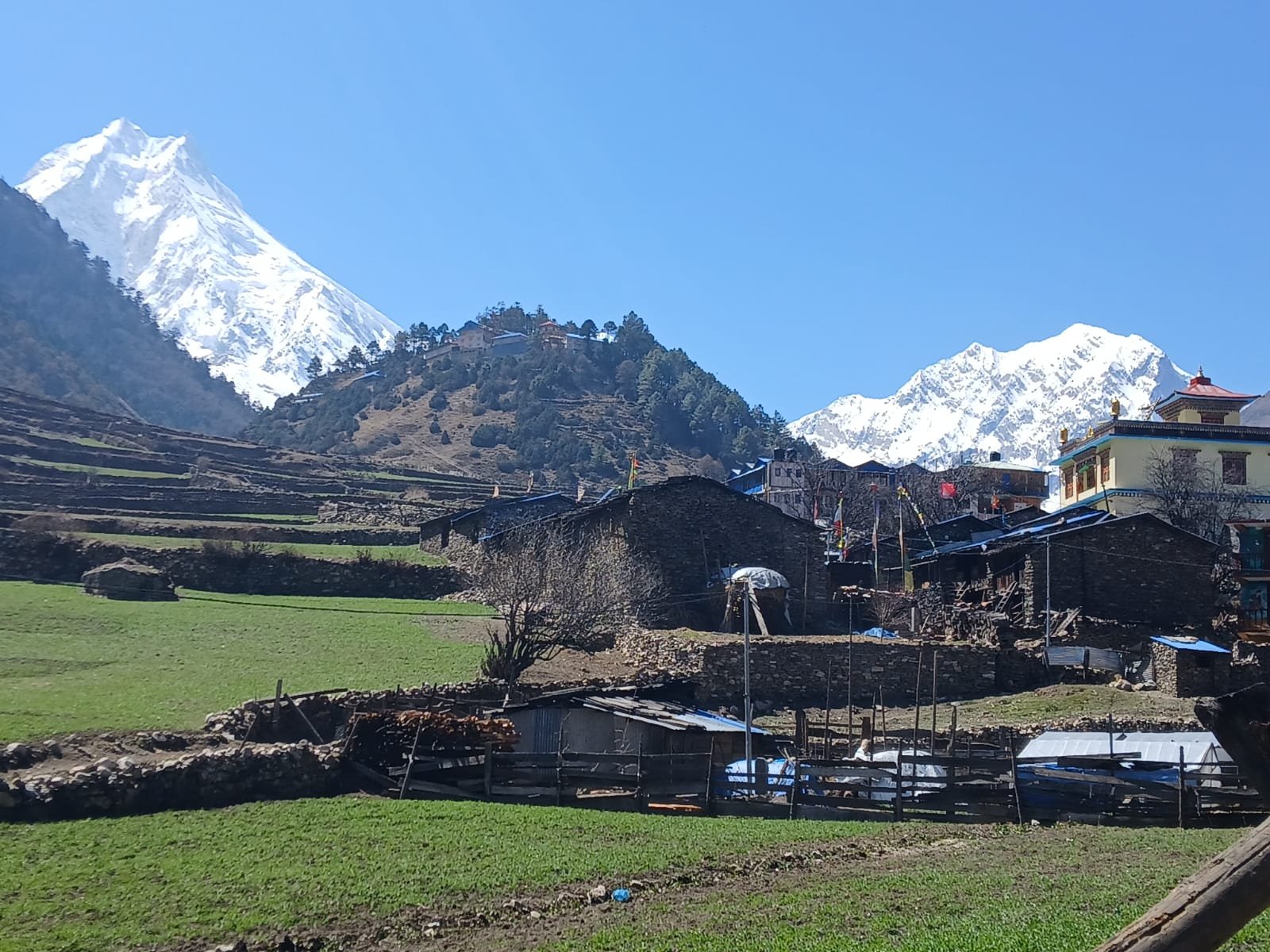
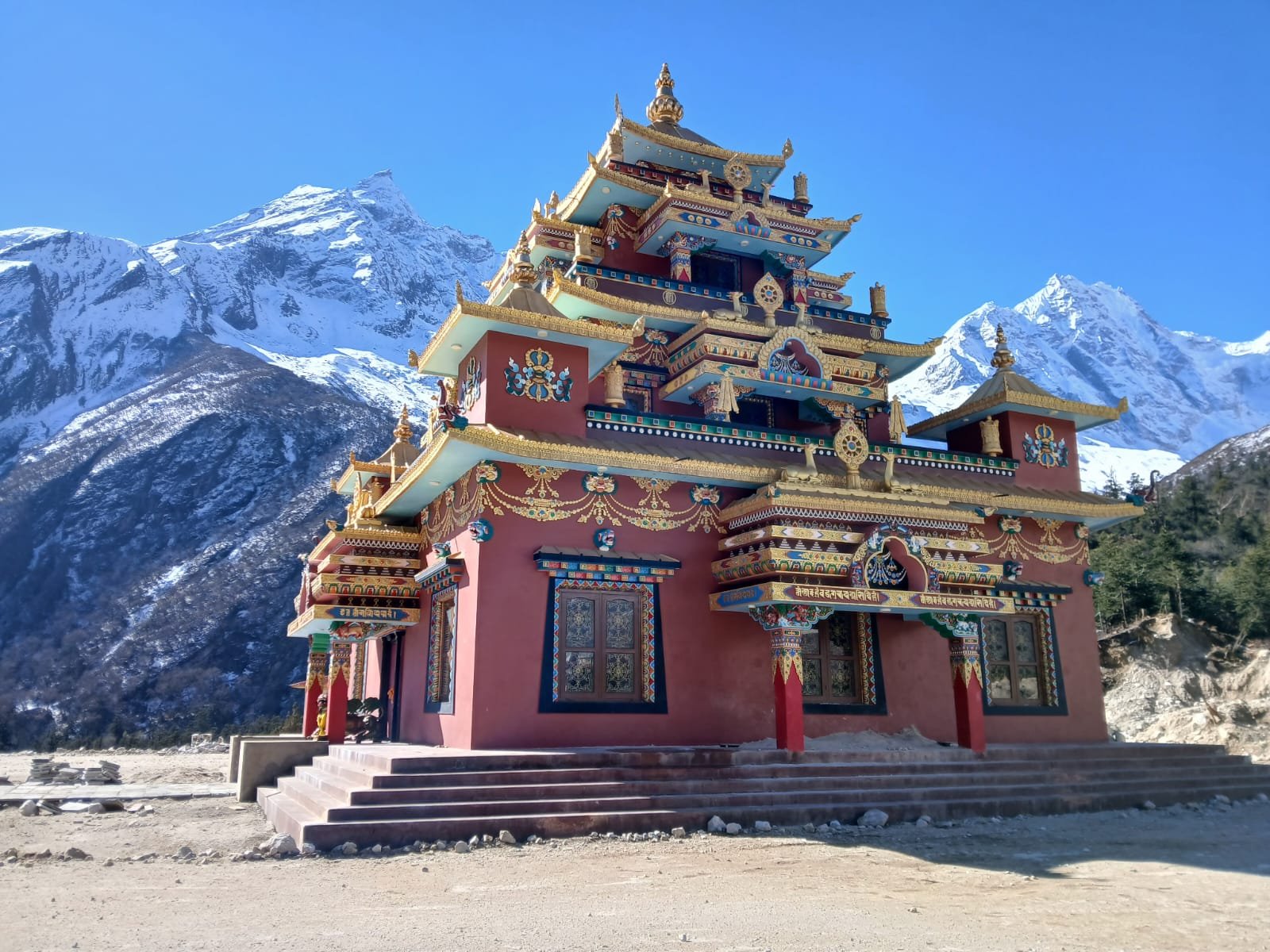
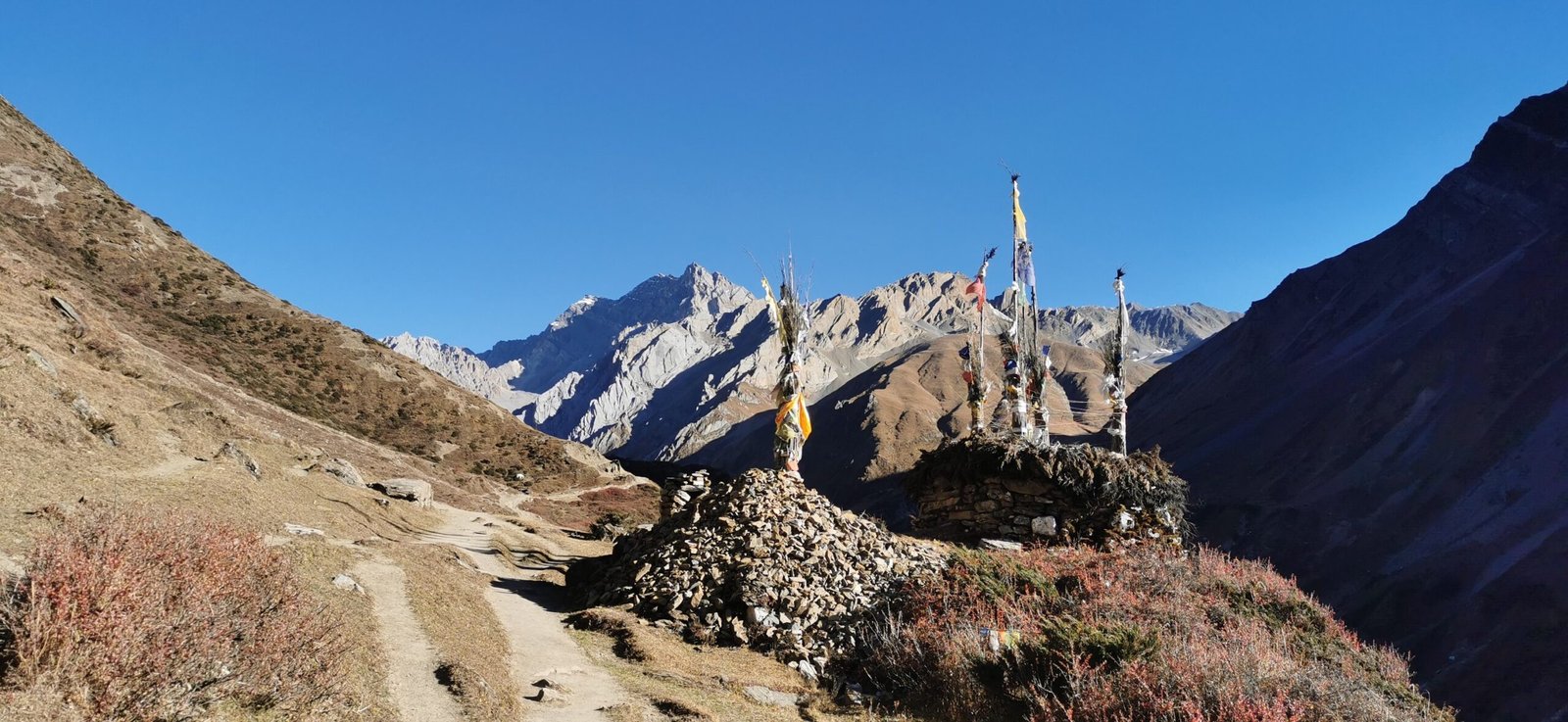
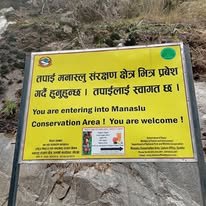
The Manaslu Circuit Trek is a remarkable journey through a restricted area in Nepal, offering a blend of pristine nature and deep cultural heritage. Because it is a restricted zone, trekking here requires specific permits, must be done with a licensed guide, and follows defined rules. It brings you around the Manaslu conservation area and the astonishing landscape of one of the eight highest mountains in the world. It may be increased, including a side trek to Tsum Valley.
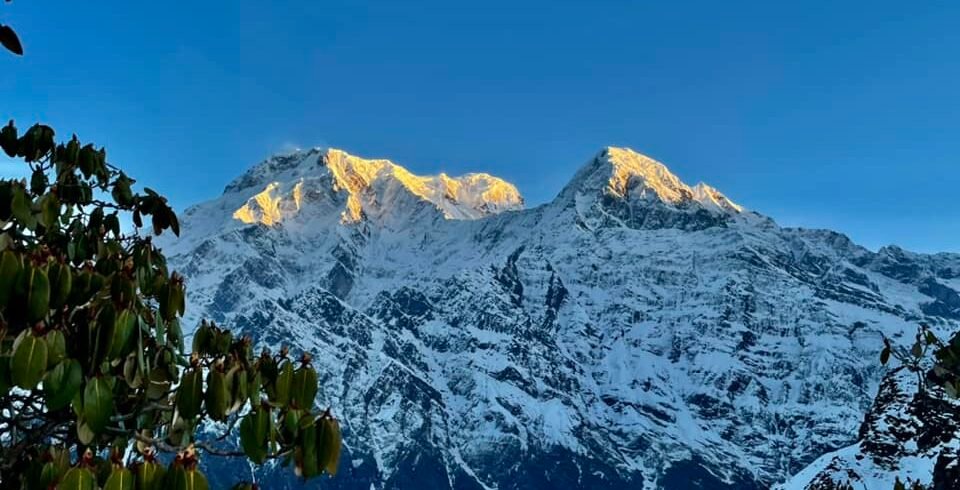
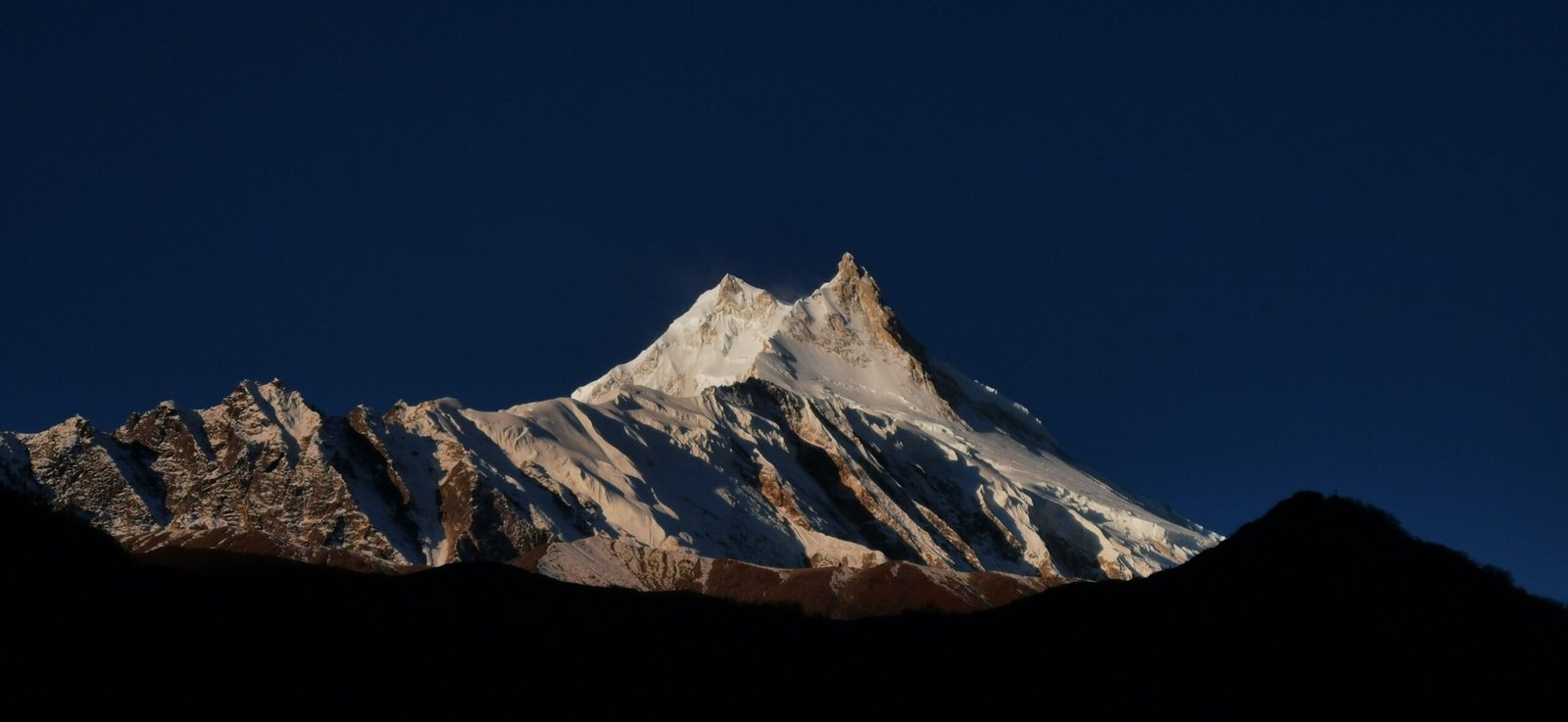
Manaslu Himal is a beautiful mountain among the 8000-meter peaks, flanked by the Annapurna ranges to its west and the Ganesh Himal to its east. The Manaslu Circuit Trek tends to be less crowded. It is far and physically challenging, and aesthetically inspiring.
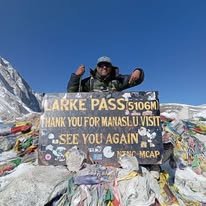
The Manaslu Trek is a tea-house trek that circumnavigates the world’s eighth-highest peak, Manaslu. The whole trek takes place in remote regions through off-the-beaten trails and reaches an altitude of 5,106m (16,751ft) at Larkya La Pass, one of the longest passes in the Himalayas. The Manaslu Circuit is celebrated for its dramatic landscapes, authentic cultural encounters, and sense of adventure
Highlights
- Experience the untouched beauty of a less-crowded Himalayan trail.
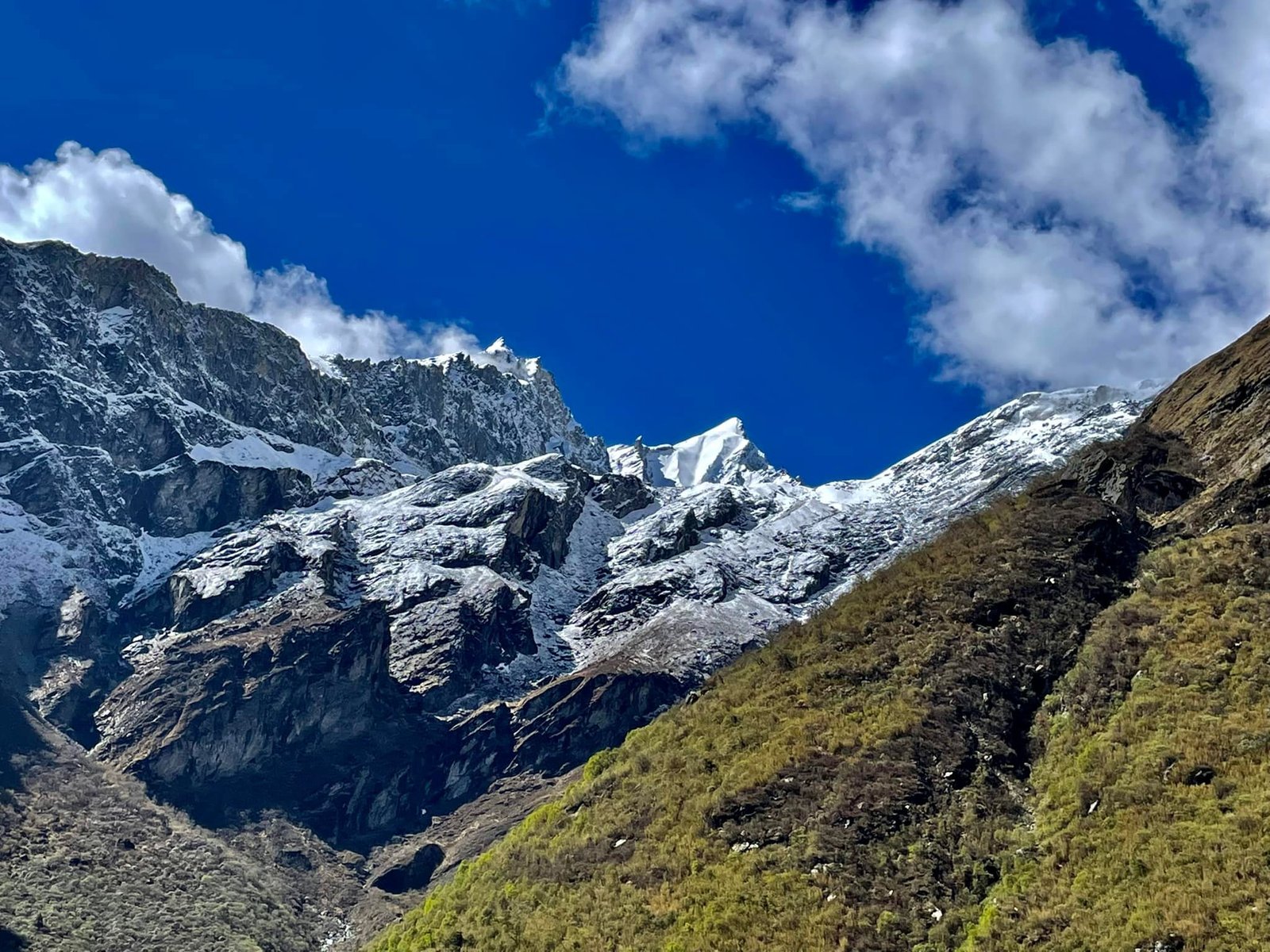
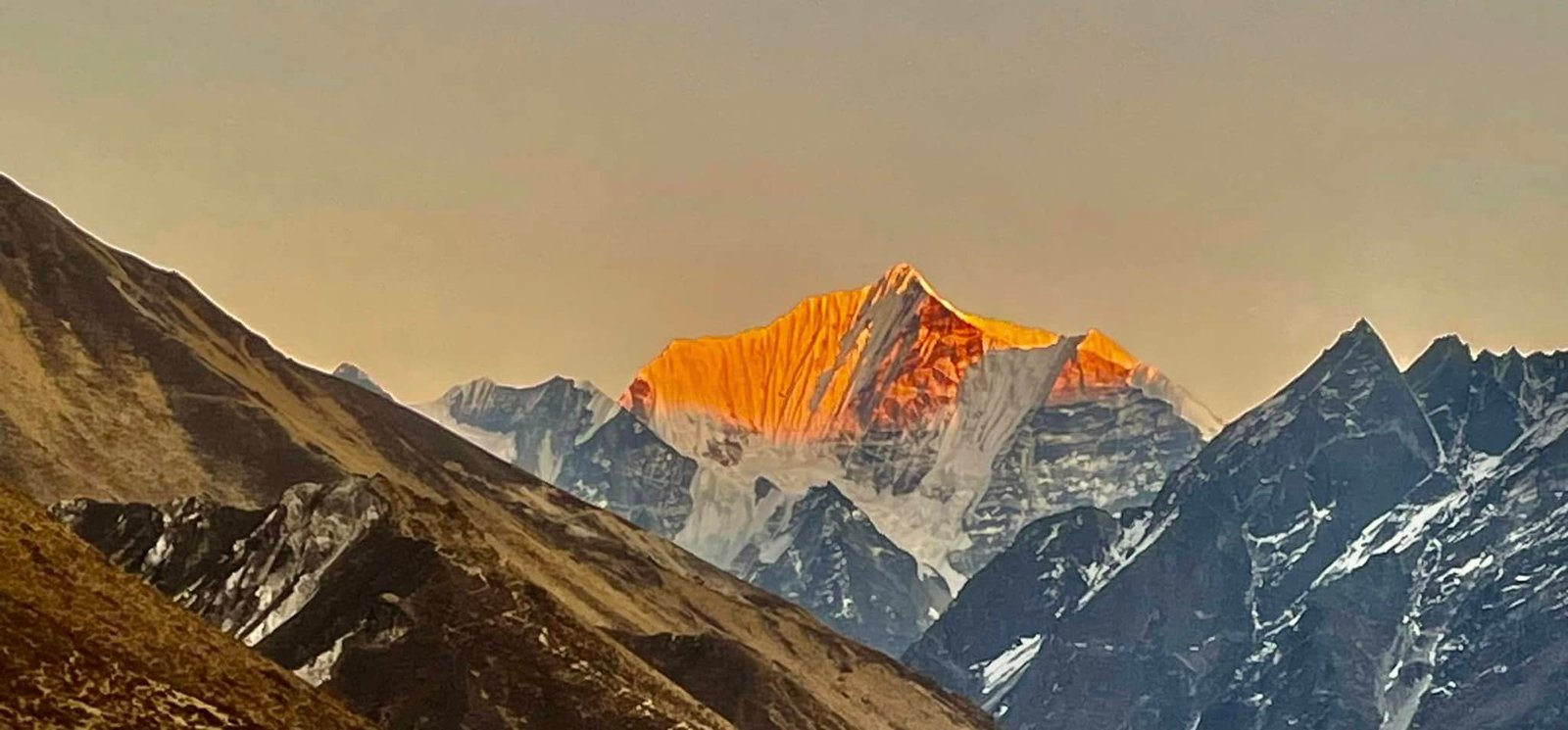
- Witness the close-up view of Mt. Manaslu, the world’s 8th highest peak.
- Explore ancient monasteries, traditional villages, rich Tibetan culture, and authentic local hospitality.
- Trek through lush forests, terraced fields, high alpine valleys, and dramatic mountain landscapes.
- Cross the high-altitude Larke La Pass (5,160 m) and enjoy panoramic views of the surrounding Himalayas.
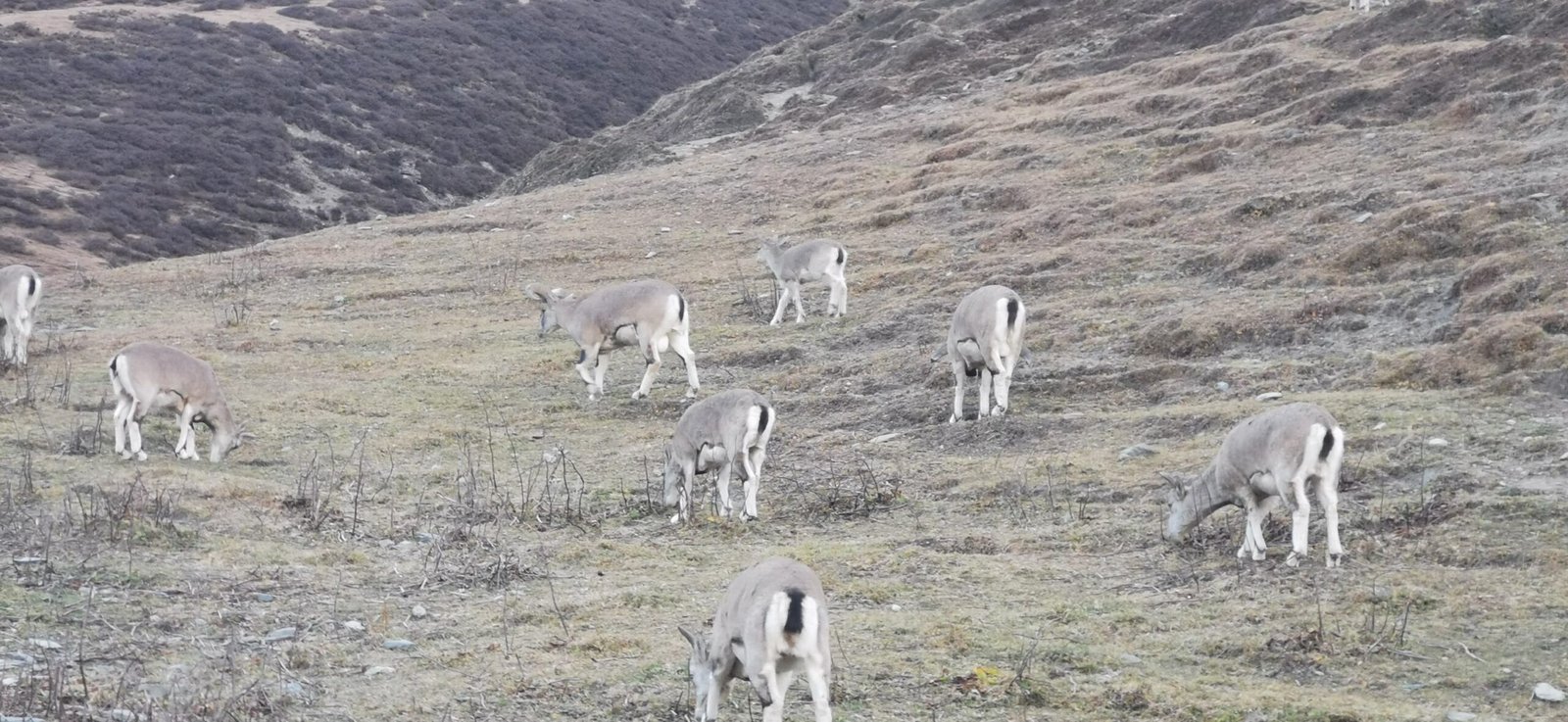
- Walk through the Manaslu Conservation Area, home to snow leopards, Himalayan Thars, red pandas, Himalayan monals, golden eagles, and diverse flora and fauna.
- Experience the authentic lifestyle of people living in the Himalayan region of Nepal with more genuine interactions.
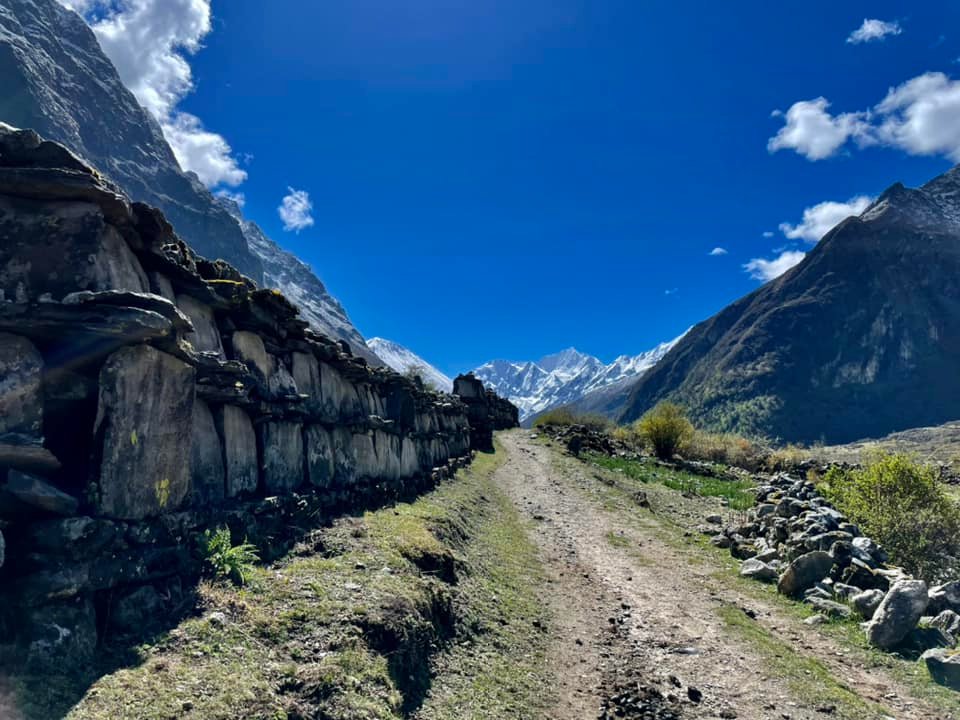
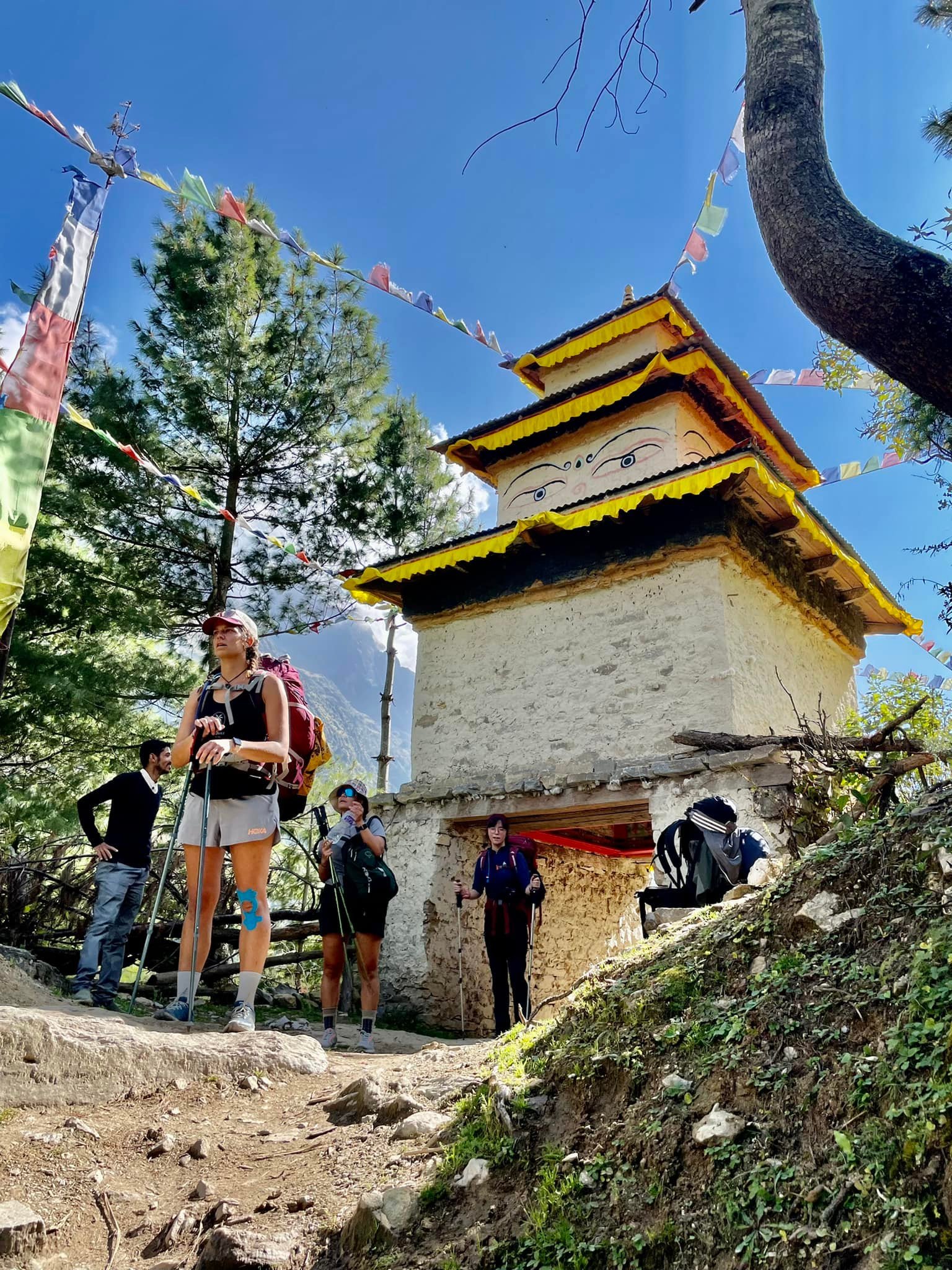
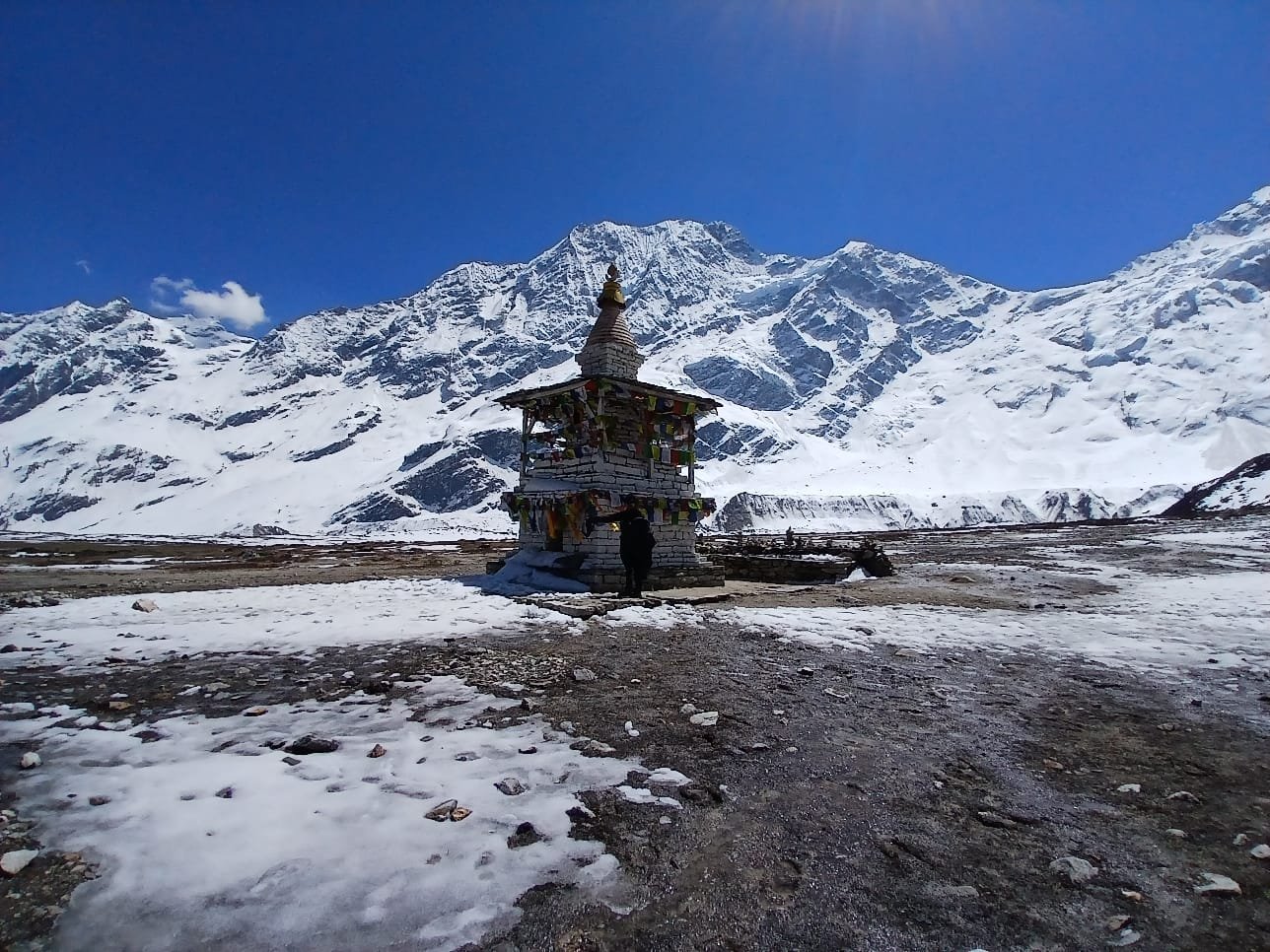
- Cultural & Authentic : Experience Tibetan Buddhist culture in villages like Samagaun and Samdo. Visit ancient monasteries (Pungyen Gompa) and see mani walls, chortens, and prayer flags. The trail is less crowded than Everest or Annapurna, offering a more peaceful experience
Our officials will greet you at Tribhuvan International Airport, Kathmandu. We will take you to the hotel in our private vehicle. You will have a pre-trip meeting and meet your trip guide. Ensure to confirm your trekking queries.
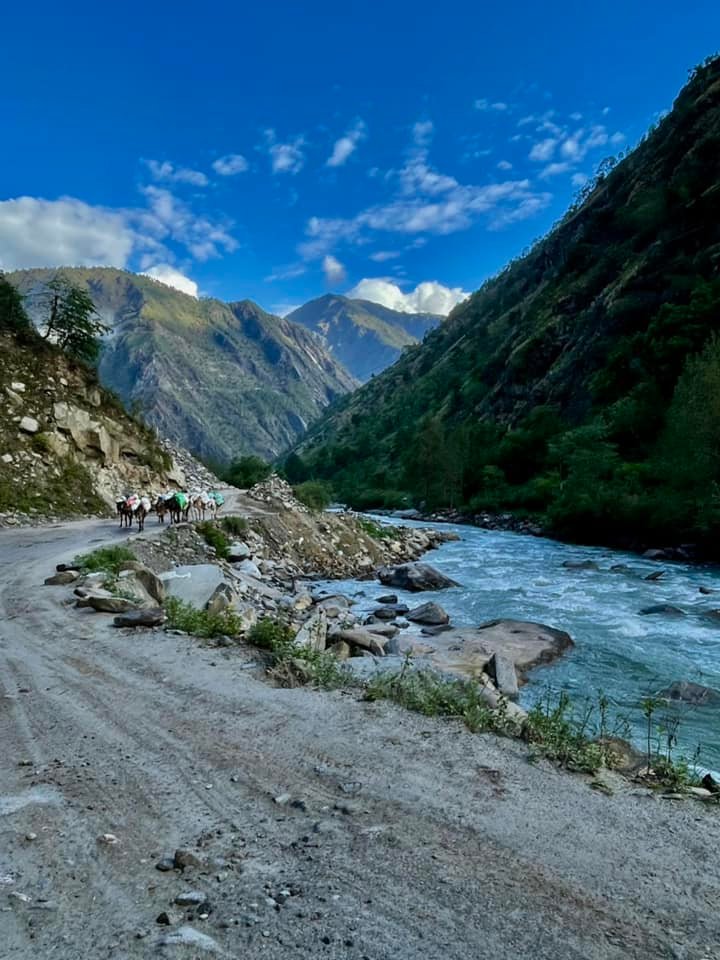
We will begin our trek by driving to Machha Khola from Kathmandu via Soti Khola in a private tourist vehicle after breakfast. The journey starts with a three-hour drive on a paved road from Kathmandu to Dhading Besi. After Dhading Besi, the road becomes bumpy and winding, and we will continue on a dirt road for approximately 5 to 7 hours to reach Machha Khola. Overall, the total drive for the day will take around 8 to 10 hours. To ensure your comfort and safety, we will provide a private 4WD vehicle and an experienced driver.
Today, we trek from Machha Khola (870m) to Jagat (1340m), a journey of about 6-7 hours. Here’s what to expect:
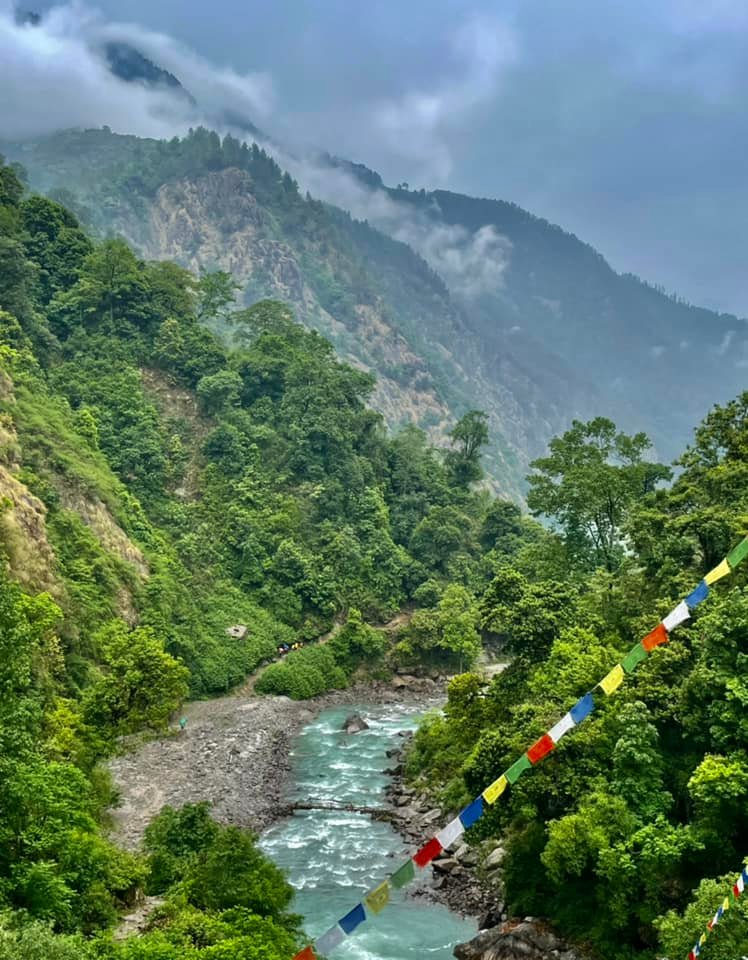
- 🏞️ Trail & Nature: Walk along the Budi Gandaki River, passing waterfalls and the hot spring at Tatopani. The path ascends through subtropical forests.
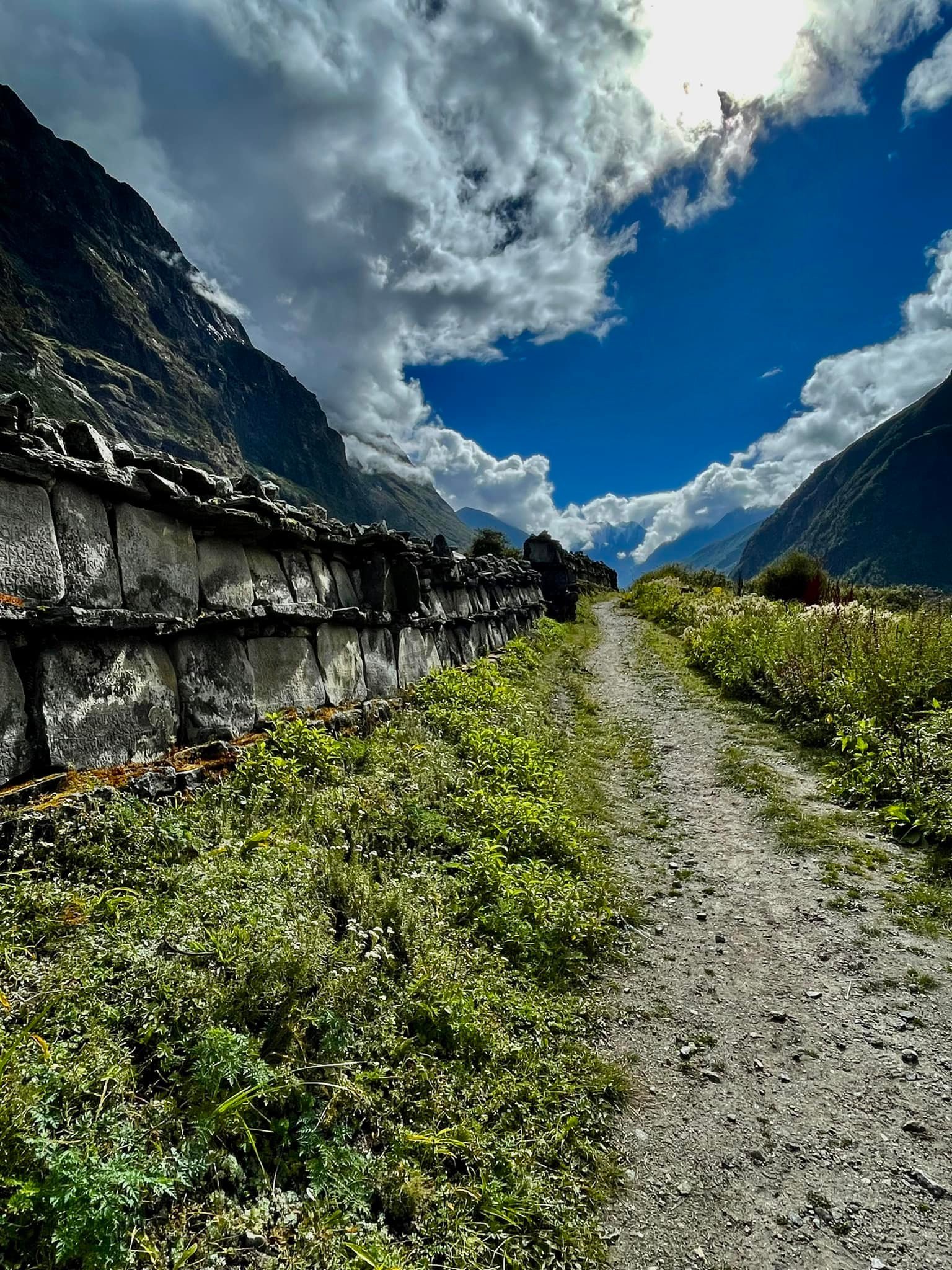
- 🏘️ Culture: Pass traditional Gurung and Magar villages, seeing their unique architecture. Arrive in Jagat, a stone village marked by a central Mani wall, signaling the start of Tibetan Buddhist culture.
- ⚠️ Key Point: Present your Manaslu Conservation Area Permit (MCAP) at the checkpoint at Jagat’s entrance.
- 🛏️ Night: Stay overnight in a teahouse in Jagat, experiencing local hospitality.
Focus on steady pacing, enjoy the changing landscapes, and rest well for tomorrow's trek to Deng.
If you would like details on the next day's trek from Jagat to Namrung, I can provide that as well.
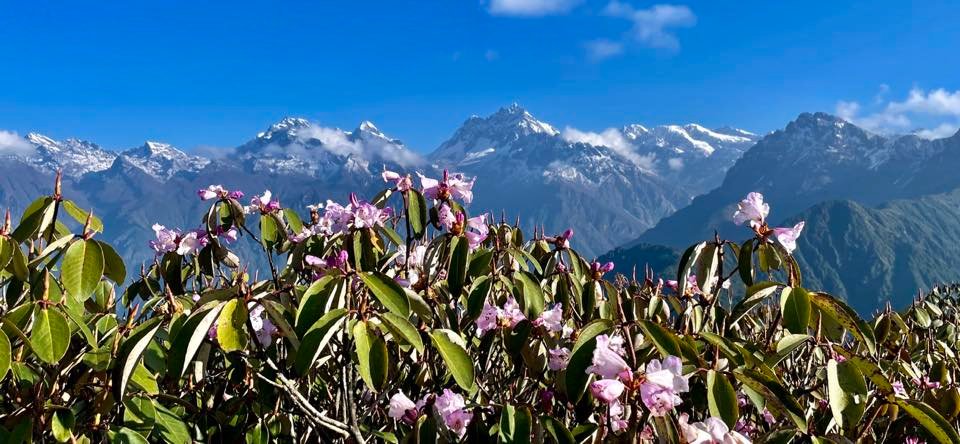
Today's trek from Jagat (1,340m) to Deng (1,860m) takes about 6-7 hours. You'll cross suspension bridges, pass through rice fields in Salleri with views of Shringi Himal (7,187m), and enter the classic Budi Gandaki gorge after Philim. The trail passes waterfalls, lush rhododendron and bamboo forests, and features a key junction at Nyak (turn right for Larkya La). End the day at the Tibetan-influenced Deng village for an overnight stay.
The landscape becomes more dramatic and remote, marking the true start of the circuit's wilderness feel.
Today's trek from Deng (1,860m) to Namrung (2,630m) is a longer, steeper climb of 5-6 hours. You'll cross the Budi Gandaki, ascend through Rana and Bihi Phedi, and enter beautiful blue pine and rhododendron forests. The trail is rich with Tibetan Buddhist culture—Mani walls, prayer flags, and monasteries. The village of Namrung offers stunning mountain views and your stop for the night.
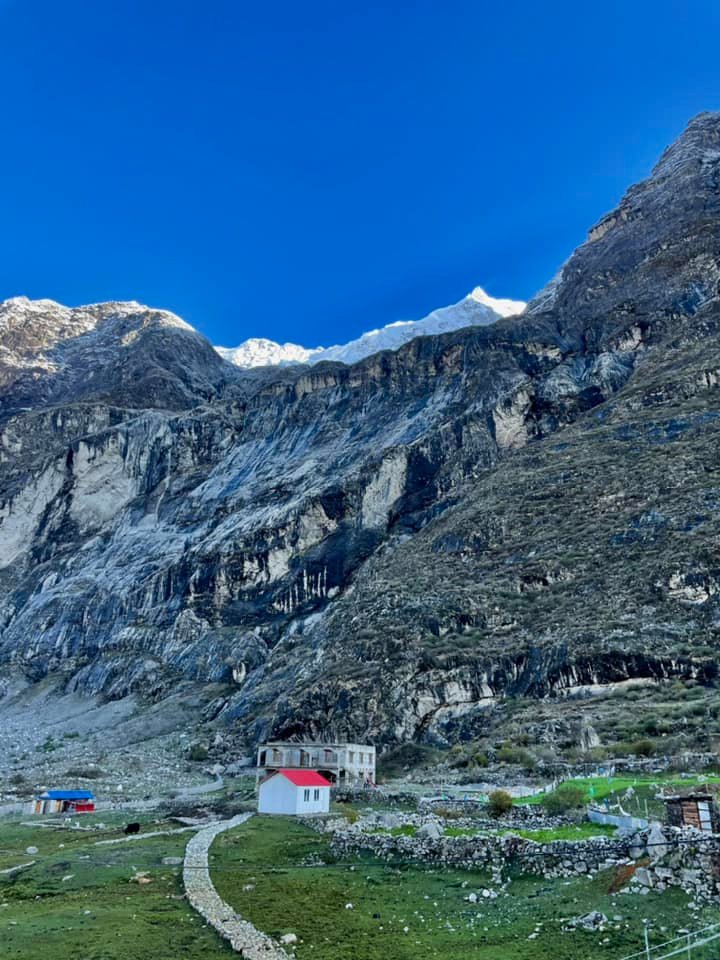
Today's trek from Namrung (2,630m) to Lho (3,180m) is a scenic 4-5 hour walk. You'll pass through Banjam, Lihi, and Sho villages, enjoying views of Ganesh Himal and traditional houses. The highlight is the first clear glimpse of Mt. Manaslu's twin summits from Lho village, your overnight stop.
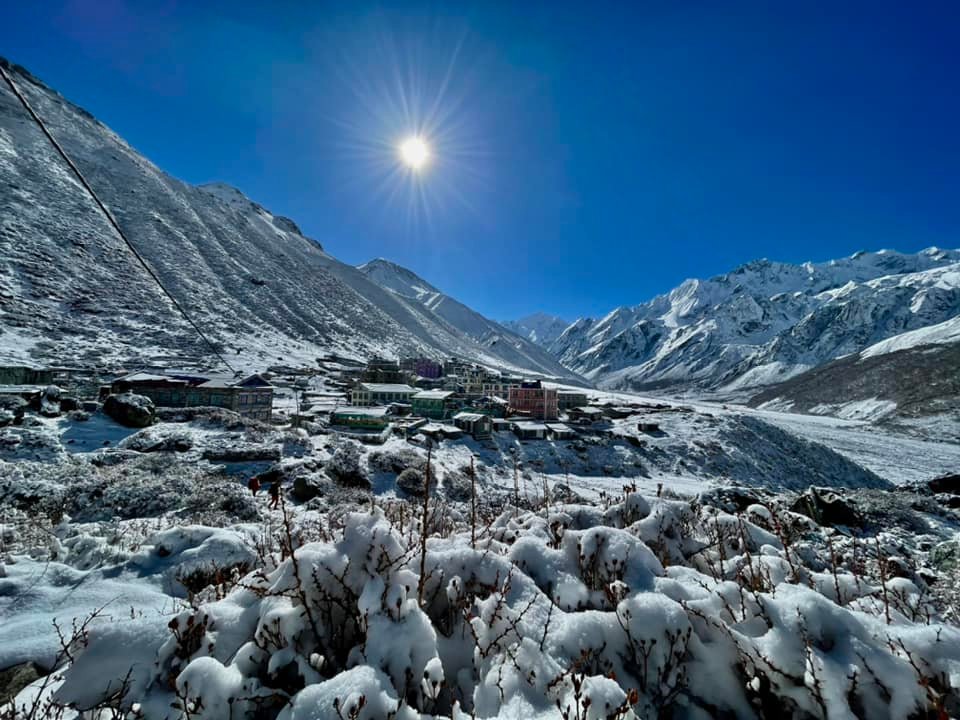
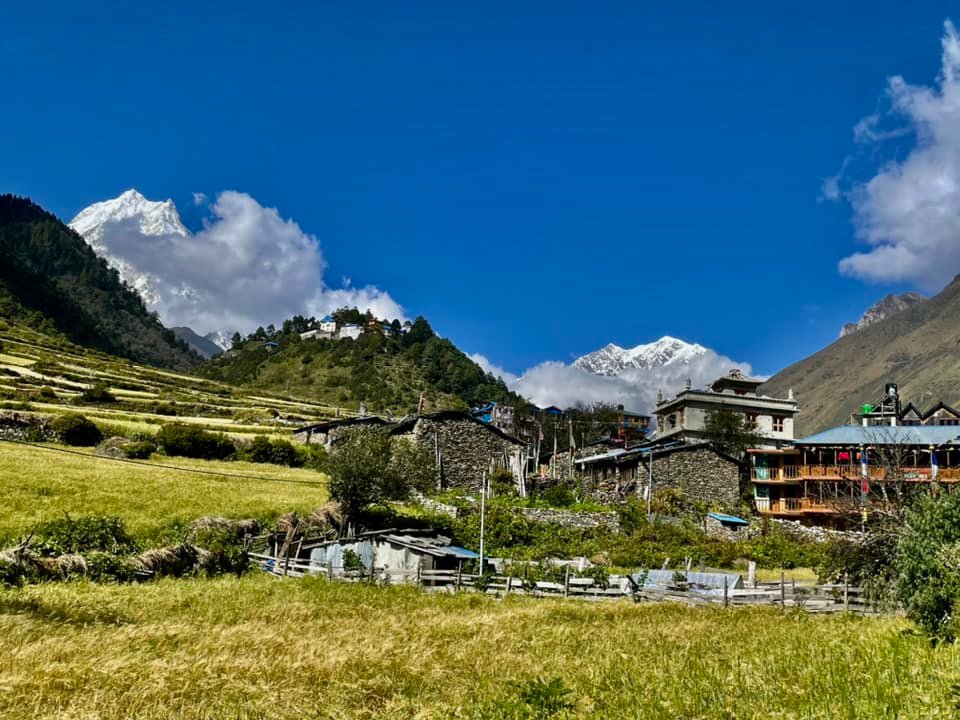
Today's short but spectacular trek from Lho (3,180m) to Samagaun (3,520m) takes about 3-4 hours. Start with a visit to Lho Ribang Monastery for morning prayers and panoramic mountain views. Walk through pine forests to Shyala village, offering an unforgettable close-up view of peaks like Mt. Manaslu (8,163m) and Ngadi Chuli. End in the historic village of Samagaun, your base for the next two nights, known for its traditional two-story homes.
Today is an essential acclimatization day in Samagaun (3,520m). Instead of ascending, choose an active exploration hike to aid adaptation:
- Option 1 (Recommended): Hike to Pungyen Gompa (ancient monastery) and Birendra Tal (glacial lake). This 4-5 hour round trip offers stunning views without excessive strain.
- Option 2 (Challenging): A full-day 7-8 hour trek to Manaslu Base Camp (4,800m) for experienced and well-acclimatized trekkers.
Use the day to rest, interact with locals, and prepare for the higher altitudes ahead.
Today is a short acclimatization hike from Samagaun (3,520m) to Samdo (3,875m), taking about 3-4 hours. The trail crosses the Budi Gandaki and ascends a terraced hill, offering panoramic views. The landscape becomes drier and more desert-like as you approach Samdo, a high-altitude village with unique Tibetan-influenced architecture. You'll spend the night here to further adapt to the altitude.
Today's trek from Samdo (3,875m) to Dharmasala/Larke Phedi (4,460m) is a short but significant 3-4 hour walk. You'll cross a barren, high-altitude landscape, passing the historic Larkya Bazar trading post. Dharmasala is a basic shelter used solely to rest and acclimatize before tomorrow's pass crossing. Stay hydrated, monitor for altitude sickness symptoms, and prepare for an early start.
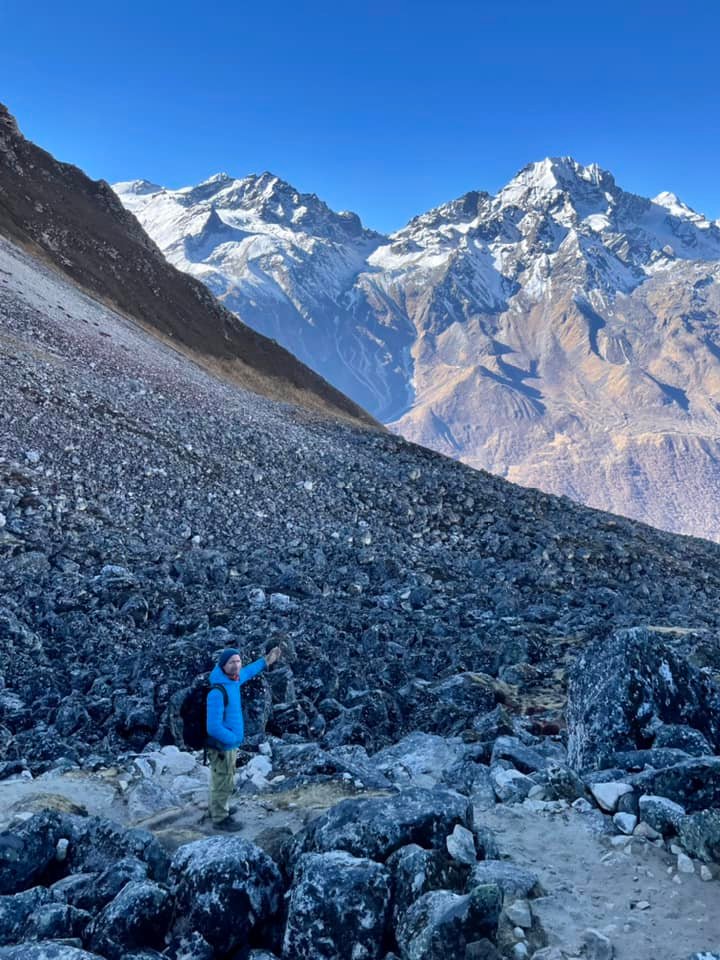
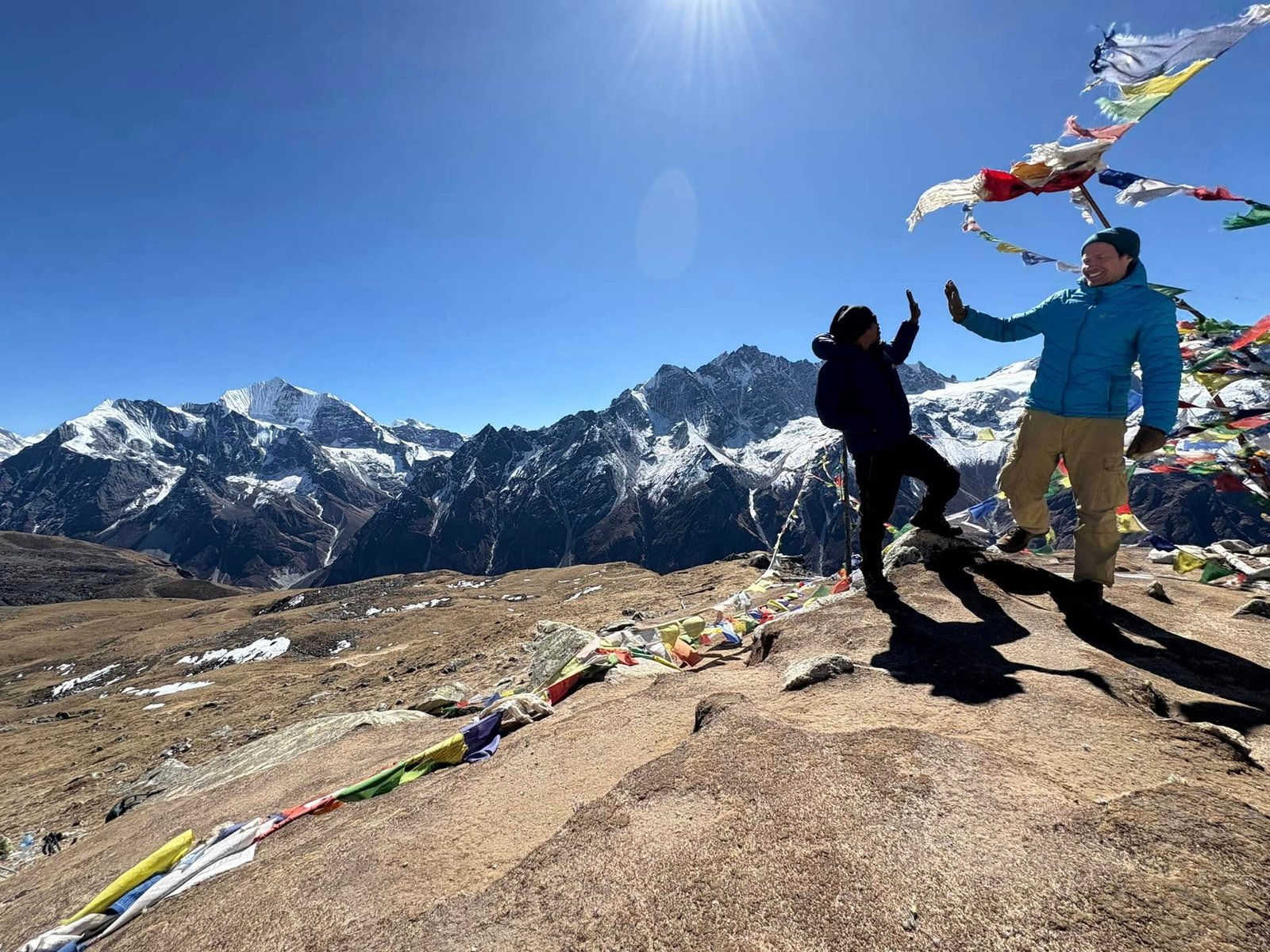
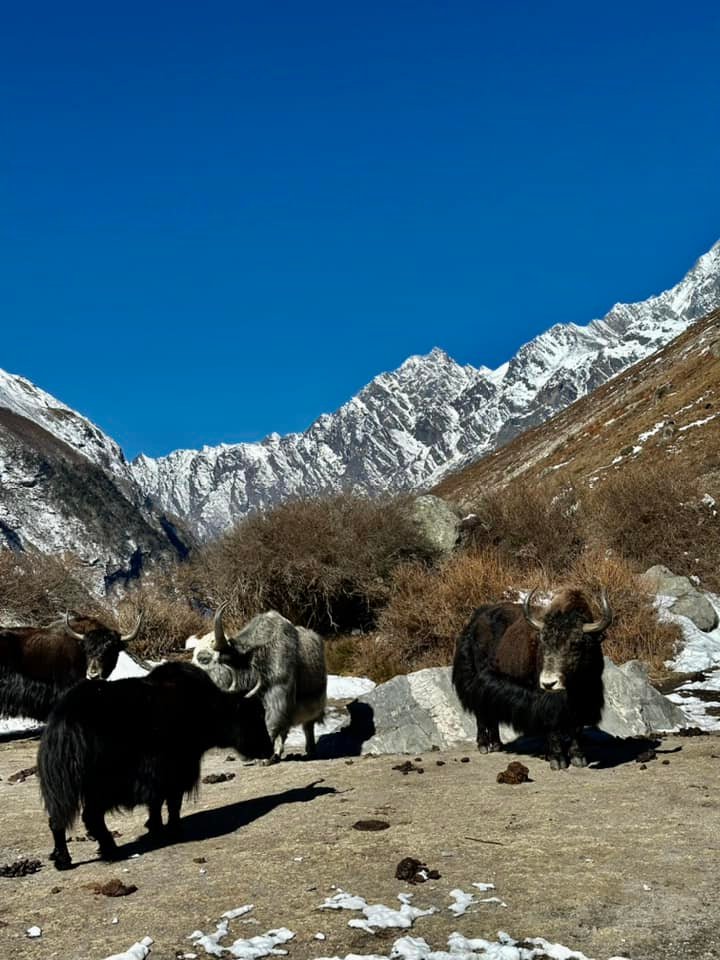
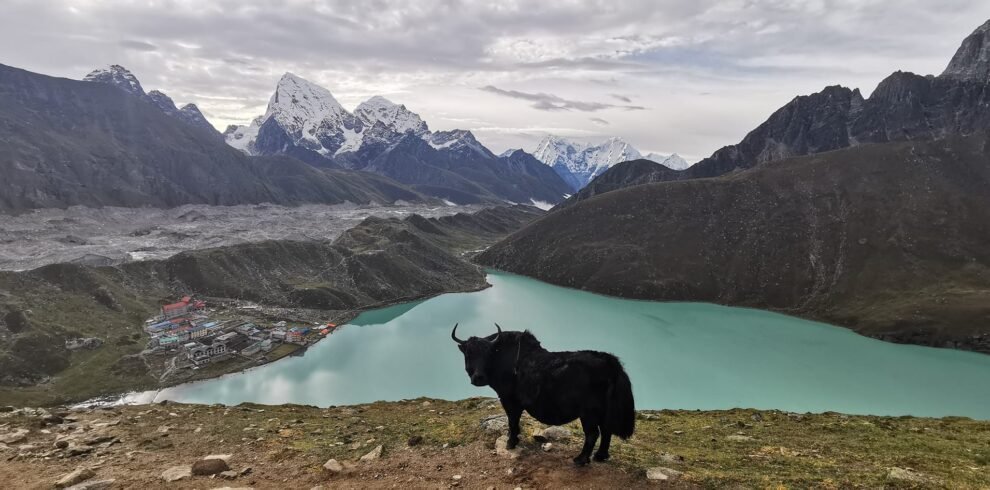
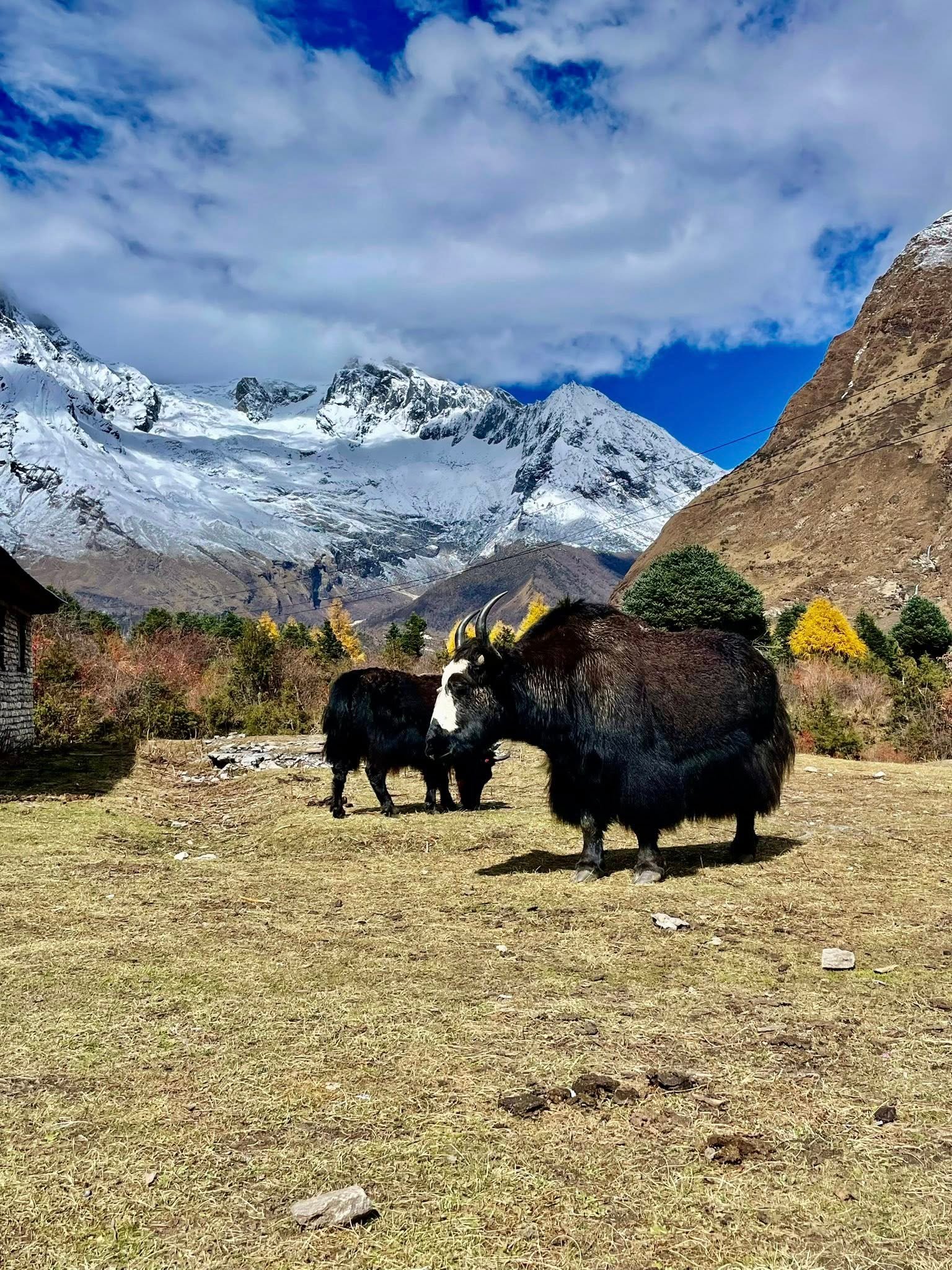
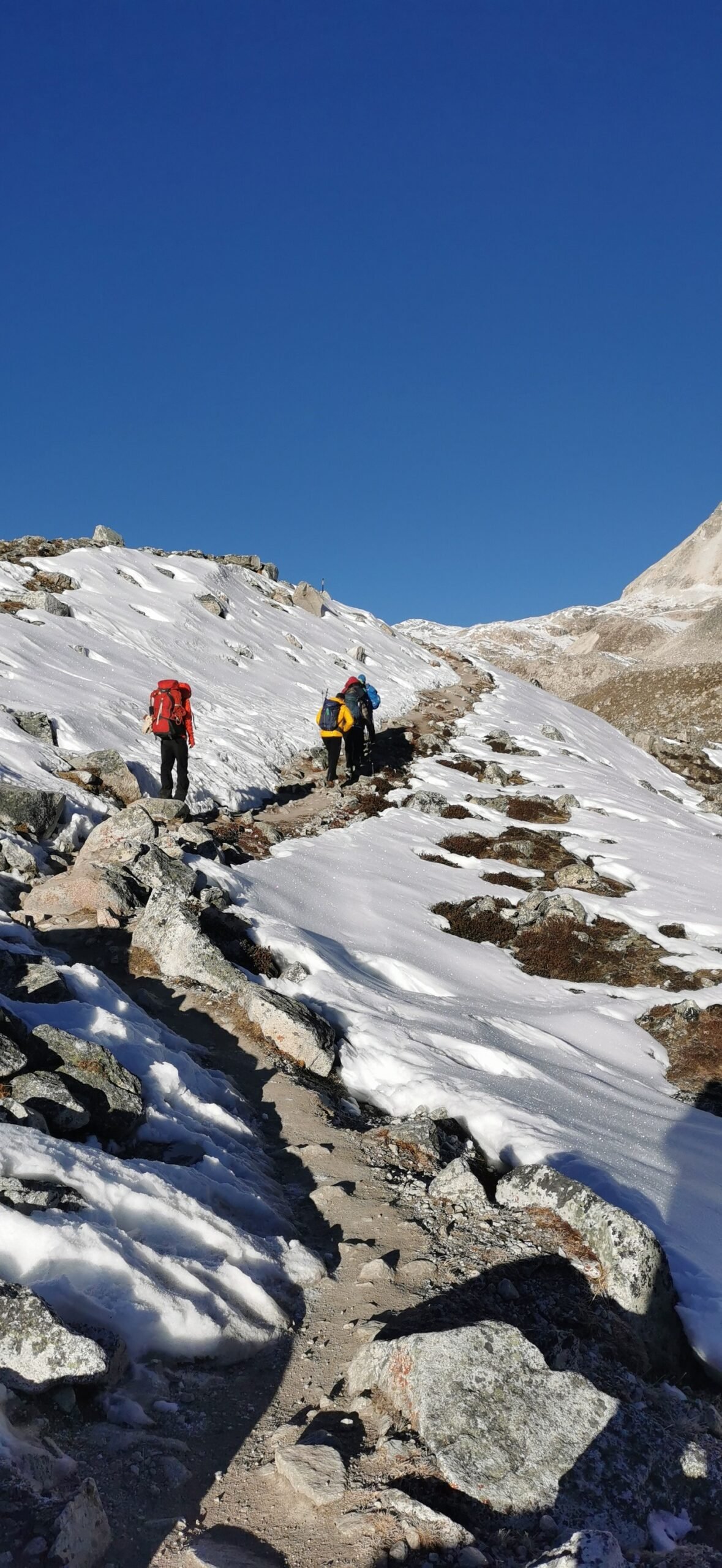
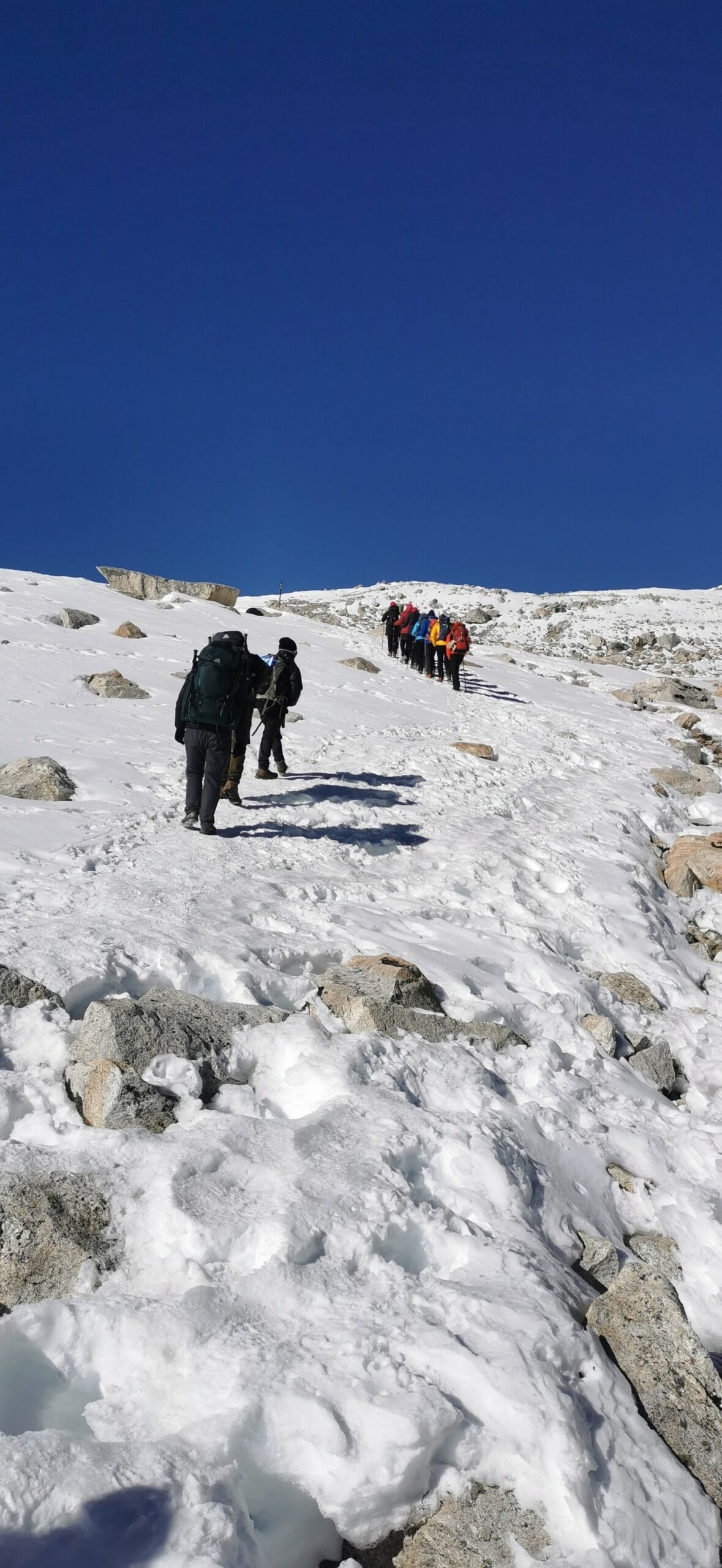
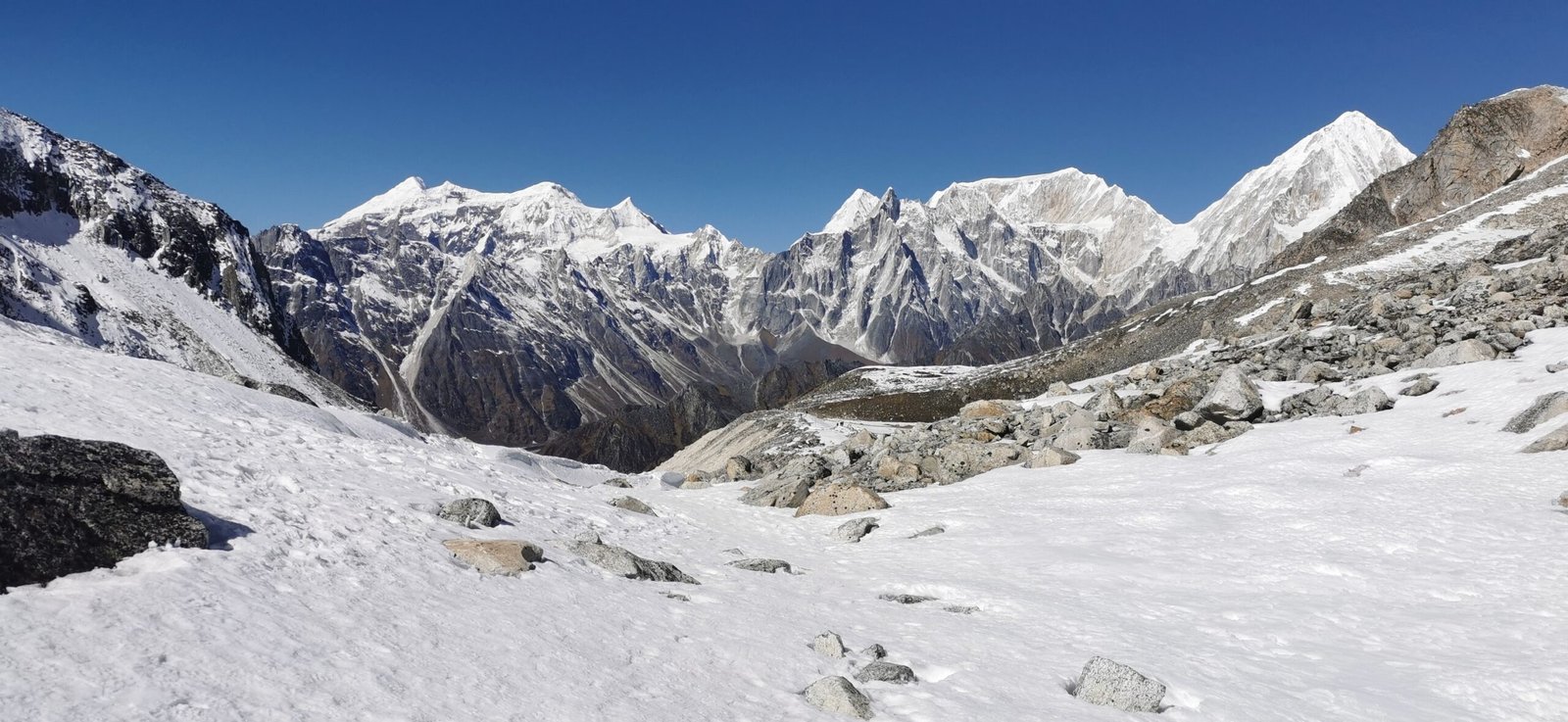
Today is the most challenging and rewarding day: crossing the Larkya La Pass (5,160m). You'll start before dawn to beat the wind, following a rocky, steep trail for about 3 hours to the summit. Enjoy phenomenal panoramic views of peaks like Himlung Himal and Annapurna II. After celebrating, descend steeply for several hours into the tranquil valley of Bimthang (3,720m), a stunning landscape with grazing yaks, where you'll spend the night. The total trekking time is 8-10 hours.
Today's trek from Bimthang (3,720m) to Tilije (2,300m) is a long but beautiful 6-7 hour descent, marking your exit from the high mountains.
You'll pass through alpine meadows, lush rhododendron and pine forests, and quaint villages like Hampuk. Enjoy final views of Mt. Manaslu and its glaciers before the landscape transforms into terraced fields and settlements. Ending in Tilije, you'll notice the return of warmer air and richer vegetation.
Today is the final leg of your trek, a short and easy 1-2 hour walk from Tilije (2,300m) to Dharapani (1,860m). The gentle trail follows the Marsyangdi River, passing through the charming village of Thonje. Dharapani marks the official end of the Manaslu Circuit and the gateway to the Annapurna region. Here, you can relax, reflect on your journey, and celebrate your accomplishment before the drive back to Kathmandu tomorrow.
Today concludes your Manaslu Circuit adventure with a long scenic drive from Dharapani (1,860m) back to Kathmandu (1,400m). The 9-10 hour journey offers final mountain views as you travel from the dirt roads of Lamjung district to the paved highway. Upon arrival, enjoy a farewell dinner and rest, marking the official end of your trek.
- Guide and Staff
- • Experienced, first-aid trained, government licensed, English speaking, and locally recruited Ace the Himalaya’s trekking guide (2 guides for group size more than 7 people)
- • Porters during the trek for carrying luggage (1 porter for every 2 clients)
- • Wages, accommodation, meals, gear, insurance, and medications for all staff
- Permits
- • Manaslu Conservation Area Permit (MCAP)
- • Annapurna Conservation Area Permit (ACAP)
- • TIMS (Trekkers’ Information Management System) card
- • Restricted Area Permit (RAP) for trekking
- • A comprehensive first aid kit, including an Oximeter to check pulse and oxygen levels daily in the mountains
- • Trip completion certificate
- Administrative & Taxes
- • All administrative expenses and government taxes
- Private Four-Wheel Transportation during trek
- Price Excludes
- • Meals (lunch and dinner) in Kathmandu
- • Tips to trekking staff and drivers
- • Personal trekking gear and equipment
- • Any expenses other than the Price Include section
- • Beverages
Essential Regulations for the Restricted Area
Solo or independent trekking is not allowed. You must be accompanied by a licensed trekking guide
All permits must be obtained through a government-registered trekking agency in Kathmandu; you cannot get them independently
You must apply for permits as part of a group of at least two trekkers. Agencies can help solo travellers join a group
Your trek must follow the route and dates specified on your permits, which are checked at multiple checkpoints
Costs vary by season, with September-November being peak season
Our trekking season extends from mid-September to November and March to early June. From early September, the monsoonal rains decrease.
By end of September to December, the weather is usually stable with mild to warm days, and cold nights. February, March, April, May, June, October, November, and December is the best time to do this trek.
level is somewhat challenging, primarily due to the high altitude and the long duration of the trek. It involves walking for approximately 5 to 8 hours a day, making it a strenuous journey.
However, with proper preparation, physical fitness, and acclimatization, adventurous trekkers can overcome the challenges and experience the breathtaking beauty of the Manaslu region.
With the right preparation, good fitness, and time to adjust, adventurous trekkers can tackle the challenges and enjoy the stunning scenery of the Manaslu region.